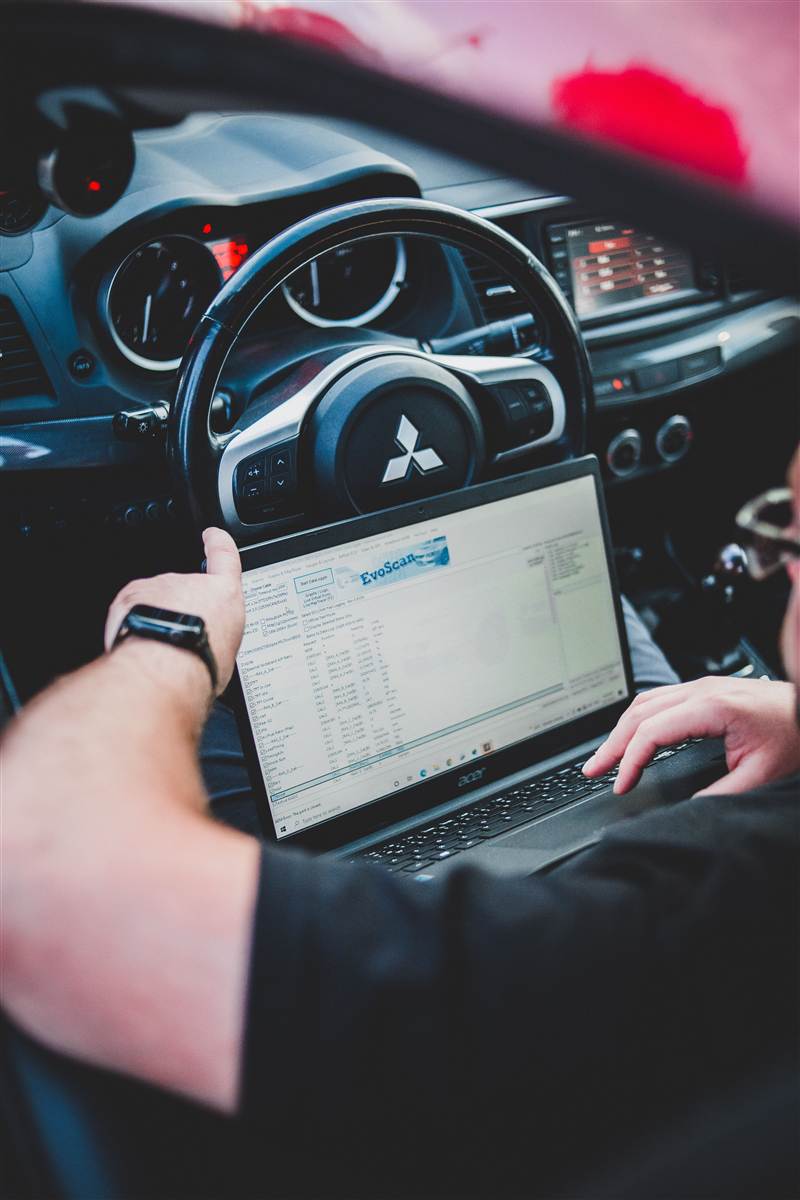
Professionals don’t “upload a chip” anymore. We read a binary (or encrypted slave) file from the control unit, modify the maps inside it with calibrated software, then write it back. Here are the file types you’ll hear about.
1. Original / stock backup
The untouched factory file read from your vehicle before any changes. This is your restore point. Every Torque Lab remap includes keeping this backup so the car can return to stock if needed (sale, warranty discussion, or preference).
2. Stage / performance map files
Modified calibrations for more torque and power within defined hardware limits — typically Stage 1 on standard cars. See remap stages explained and Stage 1 in Manchester.
3. Economy / fleet map files
Tuned for smoother torque delivery and efficiency on high-mileage diesels and vans rather than peak power. Covered in diesel economy remap North West.
4. Gearbox (TCU) map files
Separate files for the transmission computer — shift maps, torque limits, clutch pressures. Different from the engine file; see ECU vs TCU.
5. Master / slave encrypted files
Some tools (including slave AutoTuner setups) encrypt files so only a linked master can decrypt and modify them. You still get a proper calibration — the encryption protects the tuning business model, not your car’s safety.
6. What we don’t promote for UK roads
Files that disable emissions systems (DPF/EGR/AdBlue/cat deletes) for road use are illegal in the UK. We focus on road-legal Stage 1 and economy calibrations. Read DPF delete UK law & legal alternatives.
Checksums and integrity
Modern tools correct checksums automatically when writing. That’s one reason professional software and hardware beat generic “files from a forum”.